Loading...
Serving Rancho Palos Verdes, CA and surrounding areas. (424) 447-1592
Planning a deck, retaining wall, or addition? RPV's hillside soils and landslide zones demand footings built for your specific site, not a generic plan from somewhere else.
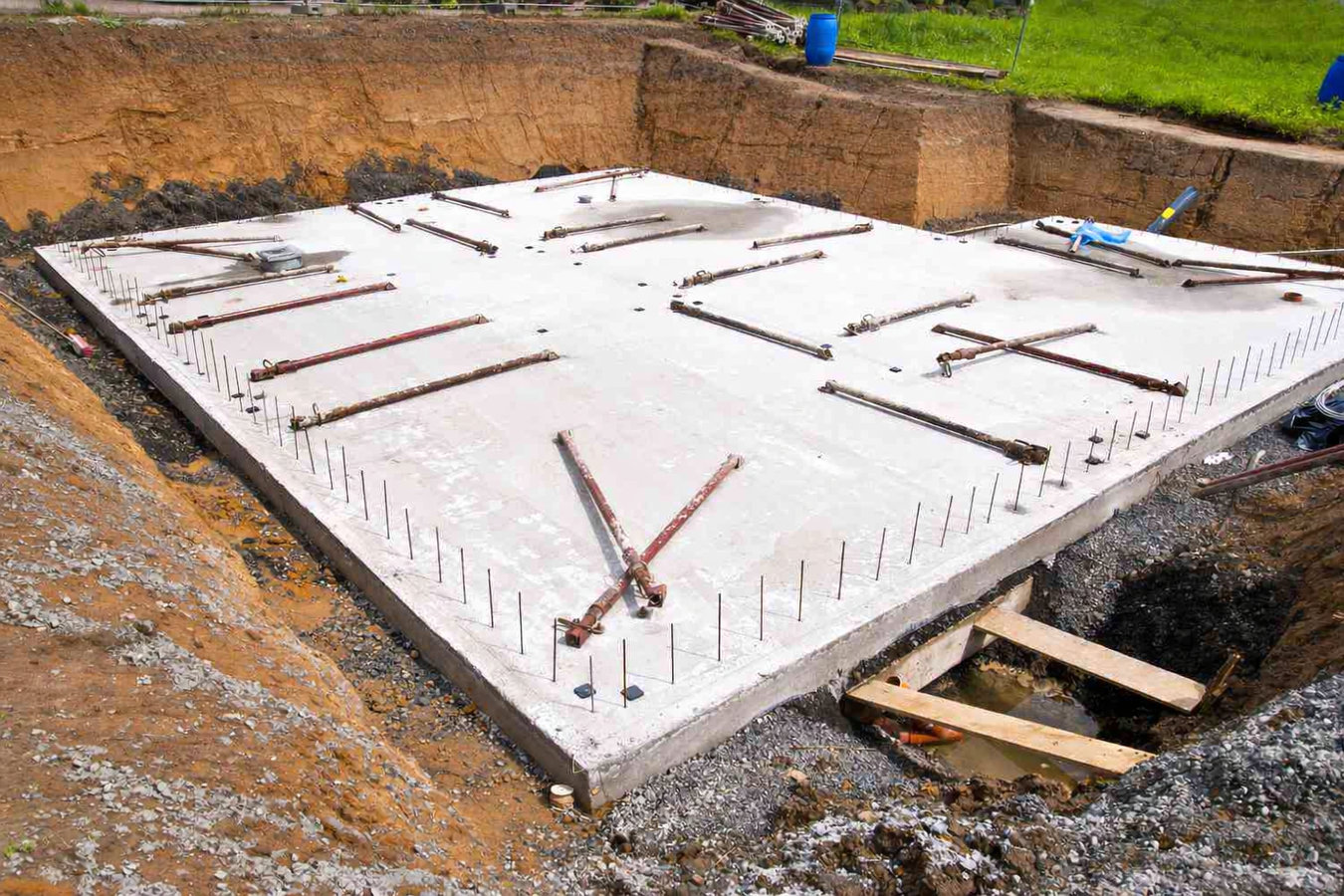
Concrete footings in Rancho Palos Verdes are the buried bases that anchor structures to firm native soil, spreading load across a wide enough area that nothing sinks, tilts, or cracks over time - most residential footing projects involve one to two days of active excavation and pouring, followed by a curing period before the structure above can begin.
If you are building a deck, adding a patio cover, constructing a retaining wall, or planning a home addition in RPV, footings are the part of the job that gets buried and forgotten - which is exactly why getting them right matters most. The Palos Verdes Peninsula's expansive bentonite clay soils and active landslide geology mean that a footing sized and designed for a flat lot in Torrance may be completely wrong for your property. We size and design every footing for the actual ground conditions at your site.
Projects that involve footings often connect to broader structural work. If your goal is a full new structure, foundation installation may be the right scope, while older homes with footing deterioration sometimes need foundation raising to bring things back level.
If a structure that used to sit flush against your home now has a gap, or if posts are tilting in any direction, the footing below may have shifted or deteriorated. In Rancho Palos Verdes, this is especially common on hillside lots where slow soil movement can undermine a footing over time. Do not ignore this sign - a leaning structure can become a safety hazard quickly.
Retaining walls that are starting to bow, crack horizontally, or lean away from the slope they are holding back are telling you the footing at the base is no longer doing its job. Given the expansive clay soils common across the Palos Verdes Peninsula, this kind of movement is not unusual in older walls. A contractor can assess whether the footing can be repaired or needs to be replaced entirely.
When footings or the foundation supporting a section of your home shift, the frame of the house above can rack slightly out of square. Doors and windows that suddenly stick, drag, or leave uneven gaps at the top or bottom are a common early sign. In RPV, where ground movement is an ongoing reality in some neighborhoods, this symptom deserves prompt attention from a structural professional.
Concrete that is spalling, has deep cracks running through it, or shows rust stains from corroding steel inside is telling you the footing has been compromised. This can happen from age, water intrusion, or ground movement. If you can see it, the damage has likely been progressing for some time and should be evaluated before the structure above is affected.
We handle footing work for the full range of residential structures in RPV: decks and patio covers, retaining walls, home additions, ADUs, carports, fences, and free-standing structures. Every job starts with a site assessment that looks at slope, soil type, load requirements, and access for equipment. When a soils engineer or structural engineer is required by the city, we tell you that upfront and can connect you with licensed professionals who know the Rancho Palos Verdes permitting process. From there, we prepare and submit the permit application, manage the city's pre-pour inspection, and walk you through the project step by step.
For sloped lots, we use stepped footing designs that follow the hillside rather than fighting it, keeping each section at the correct bearing depth. Steel reinforcing bars are placed inside every footing before the pour, and we set anchor bolts or post bases to the exact positions shown in the approved drawings so the structure above lines up correctly. After the pour, we advise on curing time based on your specific project and confirm the final city inspection before handing the site back to you or your framing crew.
For homeowners adding an outdoor structure and needing city-permitted, inspection-ready footings before framing begins.
Designed for hillside lots where soil pressure and slope require deeper bearing and careful lateral load planning.
For home additions or accessory dwelling units where the footing design must match engineer-stamped drawings and pass city plan check.
Ideal for RPV hillside properties where grade changes require footings at multiple depths to reach stable native soil.
For existing footings that have cracked, shifted, or deteriorated and can no longer safely support the structure above.
Rancho Palos Verdes has some of the most demanding conditions for footing work of any residential community in Southern California. The Palos Verdes Peninsula sits on an active landslide complex, and large portions of the city sit on bentonite clay soils that swell when wet and shrink when dry. This seasonal movement can crack or shift any structure that is not anchored deeply enough into stable native soil, which means the footing your neighbor needed in Torrance may be too shallow or too narrow for your RPV lot. The city's Building and Safety Division and Geology Division are aware of this, and permit applications for footing work are reviewed carefully - often requiring a soils report from a geotechnical engineer before a permit is issued. Homeowners in Rolling Hills Estates face similar soil and permitting considerations, as do those in Palos Verdes Estates.
Beyond soils, RPV's steep hillside lots add a layer of complexity to footing work that flat-ground contractors often underestimate. Stepped footings need to follow the actual grade of the land, excavation equipment may need to access tight spots on narrow lots, and lateral load from soil pressing against a retaining wall base requires specific engineering input. We factor all of this into our estimates and our designs before we pick up a shovel - because surprises underground are expensive for everyone. For additional reference on California's geologic and landslide conditions, the California Geological Survey maintains current hazard maps and technical resources.
We ask a few questions first - what you are building, where on your lot, and whether you have had any prior soils or engineering work done. In RPV, we also ask whether your property is in a landslide zone, because that shapes everything that follows. We schedule an on-site visit within one business day of your inquiry and give you a written estimate after we have seen the ground conditions ourselves.
We submit the permit application to the City of Rancho Palos Verdes Building and Safety Division and flag upfront whether a soils report or engineer-stamped drawings are likely required. Plan check review typically takes a few weeks. We keep you updated throughout and handle any additional information requests from the city.
Once the permit is approved, we dig footing holes or trenches to the depth specified in the approved plans and place steel reinforcing bars in the correct pattern. Before any concrete is poured, the city inspector visits to verify hole dimensions and steel placement. Nothing gets poured until that inspection is passed and signed off.
After the pre-pour inspection, we pour the concrete, set any anchor bolts or post bases to the correct positions, and finish the top surface. We give you a curing timeline - typically at least a week before light loads can bear on the footing. We schedule and complete the final city inspection, and you receive documentation that the work was done correctly.
We assess your specific site conditions, handle every permit and inspection, and build footings designed for the actual ground under your property. Call or submit the form and we respond within one business day.
(424) 447-1592We assess soil conditions at your specific property before designing your footing. The Palos Verdes Peninsula's bentonite clay and landslide zones mean a generic footing depth often falls short. Our designs account for actual soil bearing capacity and seasonal movement, not a one-size standard.
We know the Rancho Palos Verdes Building and Safety Division's plan check process, including when a soils report is likely to be required and how to prepare a submittal that moves through review without unnecessary back-and-forth. You get a realistic timeline before you commit, not surprises after.
No concrete gets poured until the city inspector has visited, checked the hole and steel placement, and signed off. We schedule and manage that inspection as a standard part of every job. You receive the signed inspection card as documentation that the buried work was verified by a licensed third party.
Many RPV lots require stepped footing designs that follow the slope rather than sitting at a single depth. We have built these on hillside properties across the peninsula and understand how to sequence excavation, set forms at different elevations, and keep the project on schedule even when site access is tight.
Every footing we build is permitted, inspected, and documented. Before hiring a concrete contractor, confirm their California license status at the California Contractors State License Board - for concrete work, look for a C-8 classification.
Lift and re-level existing foundations affected by RPV soil movement or age-related settling.
Learn MoreFull foundation work for new structures, additions, and ADUs on hillside lots.
Learn MoreRPV permit review takes time - the sooner you call, the sooner your project can move forward. Contact us now before your build season window closes.