Loading...
Serving Rancho Palos Verdes, CA and surrounding areas. (424) 447-1592
The Peninsula's clay soils, hillside lots, and fault proximity demand more than a standard foundation. We engineer, permit, and build for what this ground actually does.
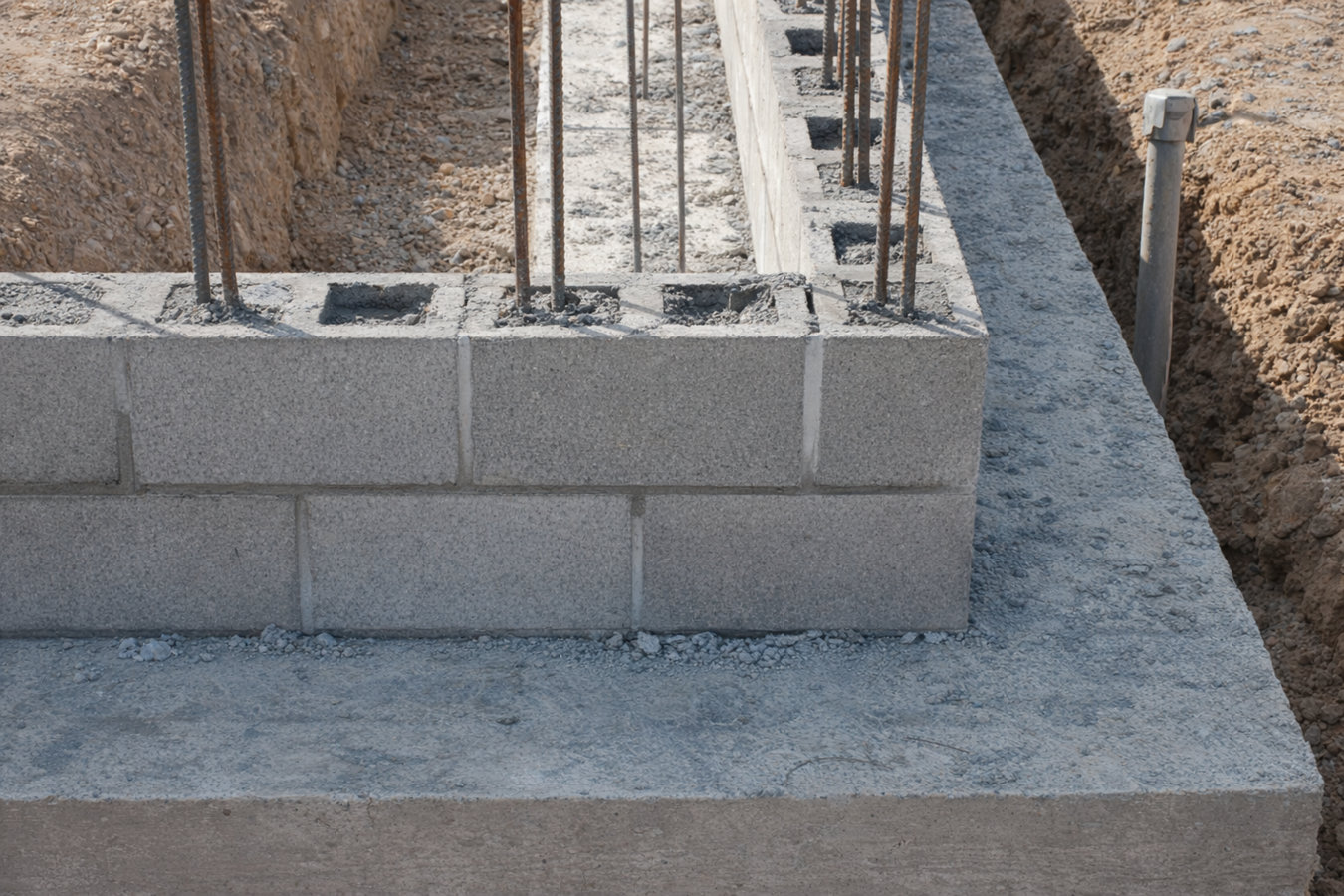
Foundation installation in Rancho Palos Verdes involves geotechnical soil testing, city permit review, site excavation, steel reinforcement placement, concrete pouring, and multi-stage inspections - most residential projects take one to three weeks from excavation to the point where framing can begin, not counting permit processing time, which can run several weeks to several months in RPV.
Rancho Palos Verdes is not a typical foundation market. Large portions of the city sit on or near the Palos Verdes Landslide complex, the expansive clay soils swell and contract with every rainy season, and the Palos Verdes Fault runs directly through the peninsula. Every one of those factors shapes how a foundation must be designed to hold up over decades. If your project includes a smaller pad or addition alongside the main structure, we can also scope slab foundation building as part of the same coordinated permit.
The permit process alone stops many homeowners before they get started. We handle the soils report coordination, permit application, and city communications as part of the job - so you are managing one project, not one project plus a city approval process running in parallel.
When a foundation shifts, the frame of your house moves with it - and doors and windows are often the first place you notice. If a door that used to swing freely now drags on the floor, the frame around it has likely moved. This is worth taking seriously in RPV where clay soils and slope movement can cause gradual but ongoing settling.
Small hairline cracks in drywall are common and usually harmless. But if you patch a crack and it reopens - or if you see diagonal cracks running from the corners of door frames or windows - that pattern often points to foundation movement. On the Palos Verdes Peninsula, where active landslide zones and expansive soils are a known issue, recurring cracks deserve a professional look.
Walk slowly across your floors and pay attention to any areas that feel like they tilt or dip. A marble placed on the floor that rolls consistently in one direction is a simple test. Uneven floors in a home more than a few decades old - common in RPV's older hillside neighborhoods - can indicate that the foundation has settled unevenly over time.
Rancho Palos Verdes gets most of its rain between November and March. If water collects against your foundation after a storm rather than draining away, that is a warning sign. Sustained moisture against a foundation - especially in clay-heavy soils - accelerates deterioration and can undermine the soil that supports the structure. Addressing drainage is often part of a foundation installation project.
We install foundations for new residential construction, full replacements on older homes, additions, and accessory dwelling units throughout Rancho Palos Verdes and the surrounding South Bay. Every project starts with a site visit and a soil report - we do not design a foundation from a phone call. The type of foundation we recommend - slab, raised, or a combination - depends on what the geotechnical report says about your soil, the slope of your lot, and what the structure above it needs to do. If the project also involves concrete parking lot building or large paved areas, we can coordinate that work to share the same permit and site mobilization.
For hillside lots - which is a significant portion of RPV - site preparation is often the most involved part of the project. We handle excavation, grading, compacted fill, and drainage routing before any steel or concrete goes in. Every foundation we install includes seismically detailed steel reinforcement sized to the site's soil and fault proximity conditions, perimeter drainage where the lot requires it, and a moisture barrier on slab components. The city inspection at each required stage is built into the project schedule, not treated as an afterthought.
The most common choice for additions, ADUs, and new structures on relatively flat or gently sloped RPV lots.
Suited to older hillside homes being retrofitted or rebuilt, where a crawl space is needed for access or drainage.
Designed for properties near the Palos Verdes Fault or on geologically sensitive ground requiring enhanced rebar detailing.
The right choice for coastal and low-elevation properties where sustained ground moisture is a concern year-round.
Rancho Palos Verdes is home to one of the largest active landslide complexes in the United States. Large portions of the city - particularly in the Abalone Cove and Portuguese Bend areas - are in designated landslide zones where ground movement is ongoing. If your property falls within one of these zones, foundation work requires additional geotechnical review, and some areas may have restrictions on new construction entirely. The city's Planning Department tracks which zone each parcel is in, and verifying your parcel's status is the first step before any money is spent on plans or engineering. Homeowners in Torrance, CA face fewer of these landslide restrictions, but many RPV homeowners who are adding structures near the boundary benefit from the same careful site review.
The Palos Verdes Peninsula's clay-rich soils and coastal moisture create a year-round cycle of expansion and contraction that puts real stress on foundations not designed with it in mind. A foundation installed without adequate soil testing, drainage planning, or seismic reinforcement tends to show problems much sooner than one built for local conditions - especially in a place with RPV's ground movement history. Homeowners in Lomita, CA encounter less extreme soil movement, but the drainage and moisture management principles that protect a foundation in RPV apply wherever coastal clay soils are present.
The City of Rancho Palos Verdes Building and Safety Division publishes information on permit requirements for foundation work. The Southern California Earthquake Center provides research on seismic hazards specific to the Palos Verdes Fault and the greater Los Angeles region.
We visit the property, walk the site, and look at any visible signs of existing problems. You receive a written estimate that breaks down labor, materials, and engineering or permit fees. We respond within one business day of your initial contact to schedule the visit.
Before plans are drawn, a geotechnical engineer tests your soil to understand how it behaves and what the foundation needs to handle. In Rancho Palos Verdes, this step shapes the entire design - the results determine rebar sizing, footing depth, and drainage detailing specific to your lot.
We submit the foundation plans to the City of Rancho Palos Verdes Building and Safety Division for review and approval. For hillside or geologically sensitive properties, review can take several weeks to a few months. We manage this process and keep you updated so you are not left in the dark.
Once permits are approved, we excavate, set forms, place steel reinforcement, and pour the concrete. A city inspector visits to check the steel before the pour - this is a required step. After pouring, the concrete cures before framing begins, and a final city inspection closes out the permit.
We respond within one business day. No pressure - just a straight conversation about your lot, your timeline, and what the project actually involves.
(424) 447-1592Our California C-8 Concrete Contractor license is current and publicly verifiable on the Contractors State License Board website. That license is what allows us to pull permits legally, which means city inspectors check the work at every required stage - not just when it is finished.
We know which parcels in Rancho Palos Verdes fall within the city's landslide moratorium and what that means for your project design and timeline. Contractors without local RPV experience regularly underestimate both - we account for it from the first bid.
The Palos Verdes Fault runs directly through the peninsula, and RPV's hillside conditions mean seismic reinforcement requirements can exceed the statewide baseline. Every foundation we install is engineered for the actual seismic demands of this area - not a generic California average.
RPV's clay soils, coastal moisture, and rainy winters create real drainage challenges. We treat perimeter drainage as part of the foundation project, not an afterthought. A foundation that sits in wet soil year after year will not perform as long as one designed to stay dry.
Foundation installation in Rancho Palos Verdes is not the same job as in a flat suburban city - the geology, the permitting process, and the seismic requirements here are all more demanding. Every credential and process step above exists because we have done this work here and know what it actually takes to do it right.
Commercial-grade concrete paving for parking lots and driveways on RPV commercial and multi-family properties.
Learn MoreResidential slab pours for additions, ADUs, and new structures with hillside site prep included.
Learn MoreRPV permit timelines can run two to four months - the sooner you reach out, the sooner your project gets into the review queue.